
The world of wine is ever evolving, with cool climate regions stepping into the spotlight like never before. At the Cool Climate Wine Summit 2025 held in Copenhagen last week, winemakers, industry experts, and enthusiasts gathered to explore the exciting potential of cooler European regions, including England, Germany, Poland, Sweden and Denmark.
This dynamic event offered a mix of expert-led masterclasses by the likes of Jamie Goode, Rene Langdahl and Romana Echensperger, alongside a trade tasting featuring over 150 winemakers. For many attendees, it was a chance to rediscover Denmark as an emerging wine nation—and the results did not disappoint.
Danish Wines
Danish winemakers have come a long way, and the wines showcased at the summit were a testament to their dedication and innovation. A highlight of the event was Barfod Winery, whose winemaker, Lise, has mastered the art of crafting wines with personality and precision. Their 2022 Pet Nat Rosé, made from Cabernet Cantor, stood out with its vibrant acidity, delicate fruit sweetness, and refreshing raspberry soda-like finish.
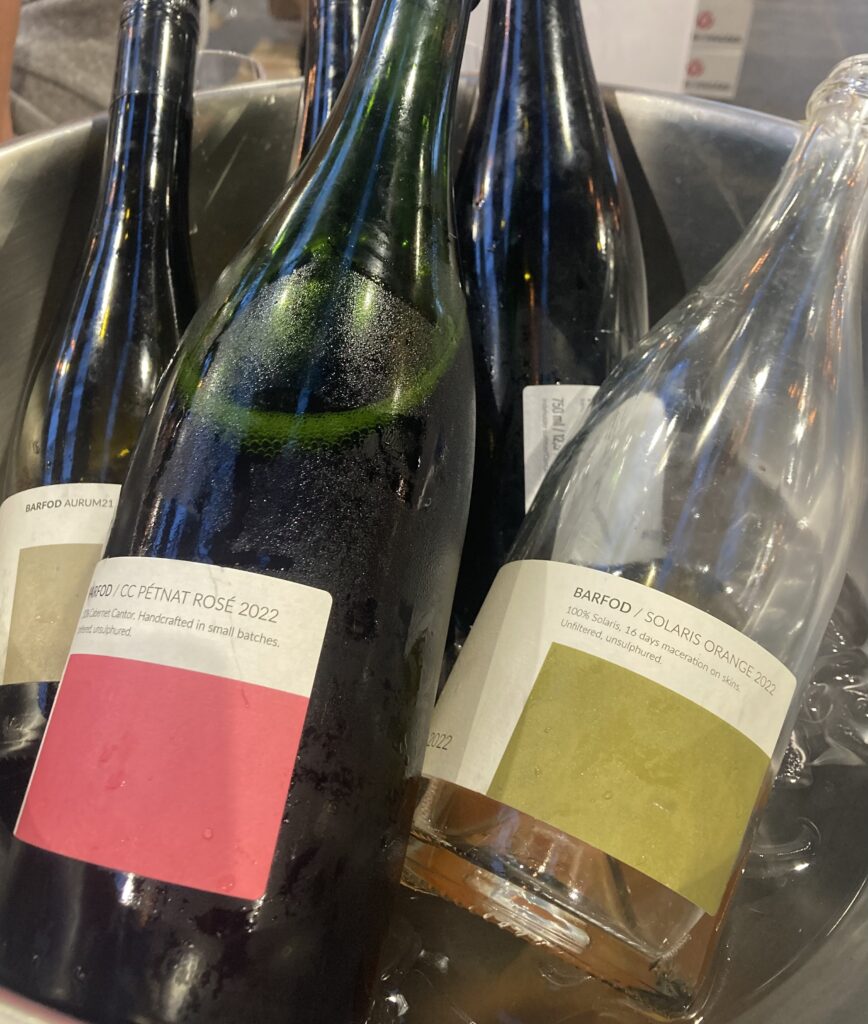
White wines remain Denmark’s strength, particularly those made from hybrid grapes like Solaris and Souvignier Gris. Although Solaris is by far the most used, Souvignier Gris shows a massive potential. This grape continues to impress with its natural elegance, high acidity, and complex flavor profile, often featuring notes of acacia honey, citrus, and red apples. Danish producers are showcasing how versatile and sophisticated this grape can be, with Barfod Winery leading the way.
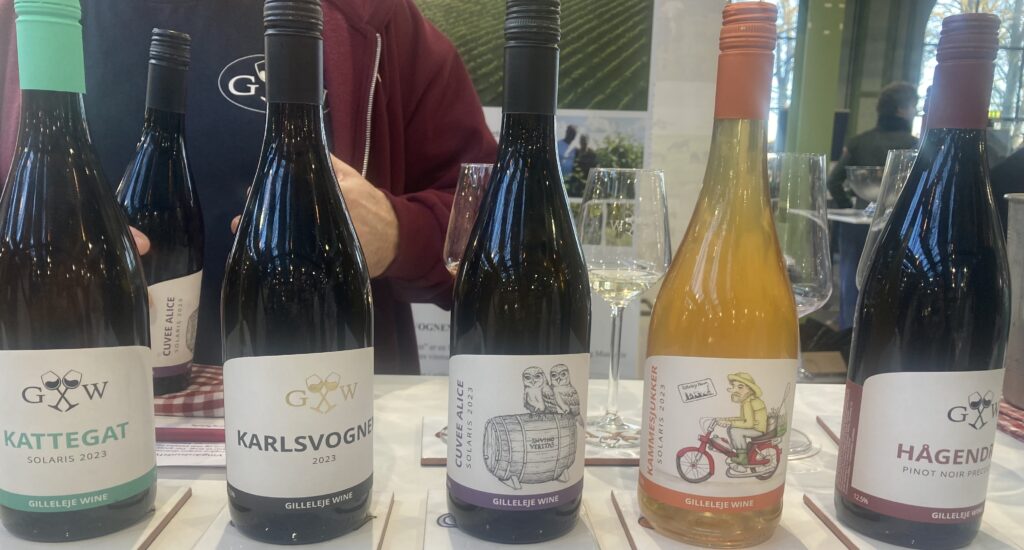
One of the big surprises was that red wines from Denmark are gaining traction, with varieties like Pinot Noir Précoce, Cabernet Cantor and Cabaret Noir delivering fresh, fruit-forward expressions with balanced tannins. Producers like Gilleleje Wine and Hideaway Vineyard are proving that Danish reds have a bright future, offering impressive quality at a more accessible price point.

However, pricing remains a challenge for Danish wines overall, as many are priced above DKK 200 per bottle. Lowering prices slightly—closer to DKK 185 (25 euros)—could attract more consumers without compromising the perception of quality.
The Future of Cool Climate Wines
The summit highlighted the unique advantages and challenges of cool climate winemaking. Jamie Goode’s masterclass emphasized how climate change has introduced both opportunities and risks for these regions. Warmer temperatures can lead to better ripening, but challenges like false springs, disease pressure, and sustainability concerns remain significant.
Producers need to tackle these issues with innovative practices like regenerative viticulture, resistant grape varieties and eco-friendly pest management. These approaches not only address environmental concerns but also enhance the overall quality of the wines.
Why Cool Climate Wines Deserve Attention
Cool climate wines offer a refreshing alternative to the fuller, more robust styles often associated with warmer regions. With their vibrant acidity, refined flavors, and lighter alcohol, they’re perfectly suited to today’s consumer preferences for balance and elegance.
Denmark’s wines, in particular, are entering a new era, with producers combining traditional techniques and modern innovations to craft wines that are both authentic and forward-thinking. The dedication of winemakers like those at Barfod Winery, Gilleleje Wine, Guldbæk Vingaard and Hideaway Vineyard suggests a bright future for Danish wines on the global stage.
Ready to discover the exciting world of cool climate wines? Let us know your favorite Danish wines in the comments below, and let’s celebrate the rising stars of winemaking together!
Leave a Reply